
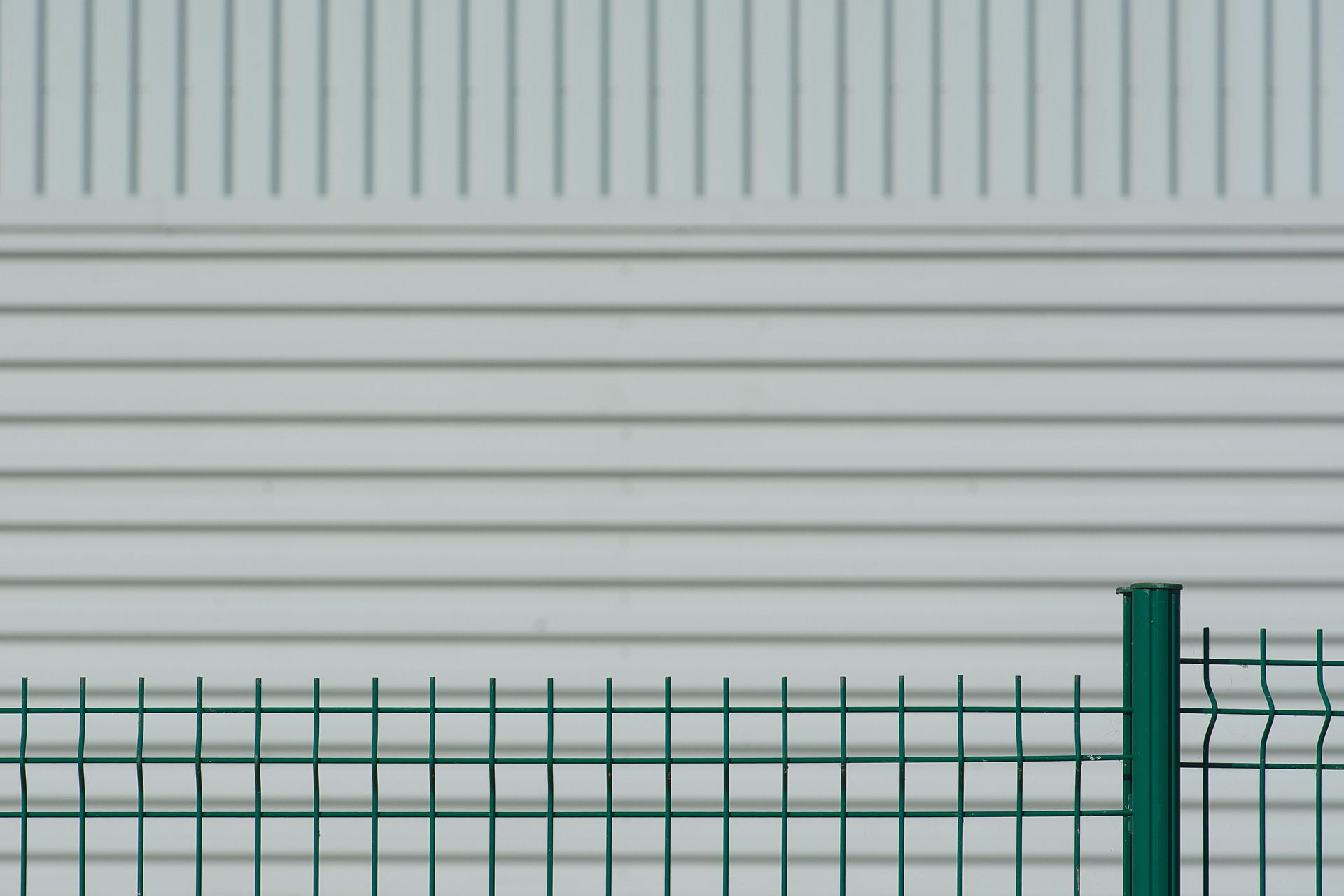
Fencing Designed for Security and Boundaries
Fencing Installation (Steel & Privacy Fencing) in Fort Pierce for properties requiring defined perimeters and livestock containment
Property boundaries need physical definition when you're establishing livestock containment, securing equipment storage areas, or creating privacy barriers that block views from roads or neighboring parcels. Steel fencing installation for residential and agricultural properties provides the structural strength needed for livestock pressure and long-term durability in Fort Pierce's humid climate, where untreated wood fencing deteriorates within years from moisture and insect activity. Privacy fence installation for homes and businesses uses solid panel construction that blocks sightlines while establishing clear property limits that prevent encroachment and trespassing.
Feketa Land Services LLC installs fencing across properties of all sizes using materials selected for your specific security, containment, and appearance requirements. Custom fence layouts account for grade changes, drainage paths, and access points that standard straight-line installations don't address—corners, gates, and terrain transitions require structural reinforcement beyond what typical fence sections need.
Arrange a property visit to review boundary locations and discuss fencing specifications appropriate for your intended use.
What Durable Fencing Solutions Provide
Durable fencing solutions built for security and appearance use post spacing and panel attachment methods engineered for the loads they'll experience—livestock fencing requires closer post intervals and deeper embedment than residential perimeter fencing because animals apply sustained lateral pressure that tests connection strength. Professional installation with quality materials establishes fence lines that remain plumb and tensioned rather than sagging or leaning within the first year as posts shift in sandy soils.
After installation, you'll notice that fence lines maintain straight alignment without dips or waves between posts, gates open and close smoothly without dragging or requiring lifting, and panels remain secure without rattling loose during windstorms. Steel fencing resists the corrosion and warping that degrades other materials in high-humidity environments, maintaining structural integrity and appearance without the annual maintenance wood fencing demands.
Fence replacement and repair services address existing fencing damaged by impacts, rot, or improper installation that left posts loose in their settings. The service includes removing failed sections, verifying that remaining portions meet structural standards, and matching materials to existing fence where partial replacement makes more sense than removing functional segments that still provide years of service.
Questions Before Starting Your Project
Property owners planning fencing projects in Fort Pierce typically ask about material selection and installation methods before committing to specific designs and layouts.
What makes steel fencing more durable than wood for agricultural use?
Steel resists moisture damage and insect activity that rots wooden posts and rails within five to seven years in Fort Pierce's climate, maintains tension without warping, and withstands livestock impact without cracking or splintering the way aged wood does.
How deep do fence posts need to be set in sandy soil?
Posts require embedment depth of at least one-third their above-ground height in sandy soils to resist lateral movement from wind load and animal pressure, often with concrete backfill that locks them in position rather than relying on compacted sand alone.
When should privacy fencing use steel versus wood construction?
Steel privacy fencing makes sense for long-term installations where maintenance access is limited, where high winds or salt air accelerate wood deterioration, or where security concerns require material that can't be easily kicked through or cut.
What spacing between posts prevents sagging on long fence runs?
Post spacing depends on panel material and height—residential privacy fencing typically uses eight-foot centers with mid-span support for panels exceeding six feet tall, while steel agricultural fencing may extend to ten or twelve feet between posts when using rigid rail systems.
How do you handle grade changes along fence lines?
Grade changes require either stepping the fence line in horizontal sections with vertical drops at posts or racking panels to follow slope angle, with the approach depending on whether the fence contains livestock that could escape under gaps or simply defines boundaries.
Feketa Land Services LLC installs fencing for residential, agricultural, and commercial properties throughout Fort Pierce using materials and construction methods suited to your specific containment and privacy needs. Reach out to discuss your fencing requirements and review layout options for your property boundaries.