
Water Management That Prevents Property Damage
Drainage & Culvert Installation in Fort Pierce for properties with standing water and erosion problems
Standing water after rainfall signals that your property lacks adequate drainage paths to move runoff away from structures and usable areas. Feketa Land Services LLC installs drainage systems and culverts across Fort Pierce residential and commercial properties where water collects in low spots, where driveways cross natural flow paths, or where erosion has created channels that threaten foundations and access roads. Fort Pierce's flat topography and seasonal heavy rainfall make proper grading and drainage installation critical for long-term property stability.
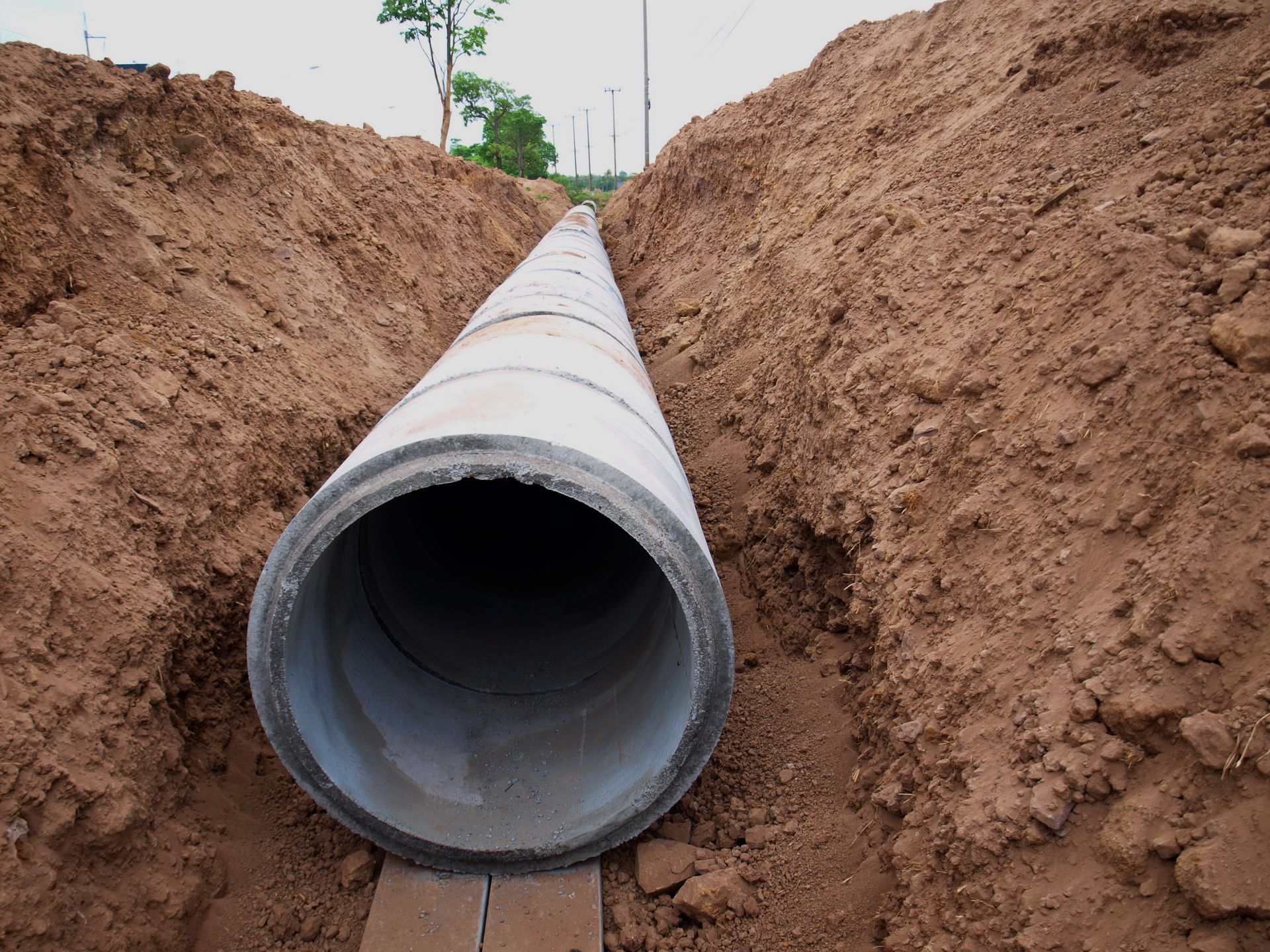
Drainage system installation involves mapping existing water flow patterns during rain events, identifying collection points where runoff concentrates, and creating engineered paths that redirect water to appropriate discharge areas. Culvert installation for driveways and access roads allows water to pass underneath the driving surface rather than flowing over it, preventing the erosion and washouts that occur when runoff cuts through gravel or pavement.
Arrange a site visit during or shortly after rainfall to show us exactly where water accumulates on your property.
How Drainage Systems Address Standing Water
Water runoff management and erosion control work by creating grade differentials that move water downhill through controlled channels rather than allowing it to spread across flat areas where it soaks into soil and saturates the ground beneath structures. French drains and grading solutions capture subsurface water that creates persistently wet areas even days after rain stops—perforated pipe surrounded by gravel provides a lower-resistance path than saturated clay, pulling water laterally toward discharge points.
Once drainage installation completes, you'll observe that areas where water previously pooled for days now dry within hours after storms end, grass grows in spots that stayed too saturated to support vegetation, and driveway edges stop collapsing where water undermined the base material. The systems prevent standing water and flooding issues by intercepting runoff before it reaches problem areas, not by trying to remove water after it's already collected.
Culverts sized correctly for your property's watershed area handle peak flow during heavy storms without overtopping or creating backwater that floods approach areas—undersized pipes cause more problems than they solve by creating dams during high-volume events. Installation depth and bedding material determine whether culverts maintain grade over time or settle unevenly as soil compresses beneath them.
Common Questions About Drainage Work
Property owners in Fort Pierce frequently ask about drainage solutions when they notice repeated flooding in the same locations or when erosion begins threatening structures and landscaping.
What causes some areas to stay wet long after rain stops?
Persistent wet areas usually indicate either subsurface water moving laterally through soil layers or locations where surface grading creates depressions that trap water with no outlet path, requiring subsurface drainage or regrading to resolve.
How do French drains differ from surface grading solutions?
French drains address water moving through soil layers below ground by providing an underground collection path, while surface grading moves water visible on top of the ground by creating slope, and many properties need both approaches in different areas.
When does a property need culvert installation?
Culverts become necessary when driveways or access roads cross areas where water naturally flows during rain, when ditches on one side of a drive need to connect to drainage on the other side, or when runoff volume exceeds what surface flow can handle without eroding the roadbed.
What size culvert prevents flooding during heavy storms?
Culvert sizing depends on the acreage draining through that point and the soil infiltration rate—flat properties with clay soils generate higher runoff volumes than sloped sandy areas, requiring larger pipe diameter to handle the same rainfall intensity Fort Pierce experiences during summer storms.
How does erosion control protect long-term property stability?
Erosion control prevents the progressive loss of soil that undermines foundations, creates gullies through yards and driveways, and deposits sediment in unwanted areas by either reducing water velocity through grading or armoring surfaces with materials that resist scour.
Feketa Land Services LLC designs drainage solutions based on observed water behavior specific to your property's topography and soil conditions. Contact us to discuss erosion patterns you've noticed and review options for permanent water management improvements.